Do you know the story of the first XRP Ledger blocks?
It’s a story that begins a long time ago, in a faraway land, in a castle shrouded in mist and mystery…
No, actually, none of that is true: as you might know, they were simply… lost.
But before we continue, what is a node exactly, anyway?
A node is a computer that connects to a blockchain network, maintaining and sharing its data so users can read from or write to the ledger. A full history node goes a step further—it preserves the entire record of every transaction ever validated on the network.
Let’s set the scene: this was 14 years ago.
The XRP Ledger was a very young project, not yet used by many financial institutions, and its main purpose was simply to address Bitcoin’s shortcomings.
Since then, access nodes have spread across the globe. They allow users to interact with the XRP Ledger, whether for reading or writing, and serve as real gateways to the XRP Ledger.
Some nodes provide limited access to the chain’s history and are relatively inexpensive to set up.
Others, and these are the focus of this article, contain the entire history of the chain since what we consider the genesis block, number 32570.
This type of node, which retains more than ten years of complete history, is called a full history node.
There are only a few of them, because, as you’ll see, deploying such a node is particularly costly, especially in a world where RAM chips and SSDs are worth a fortune.
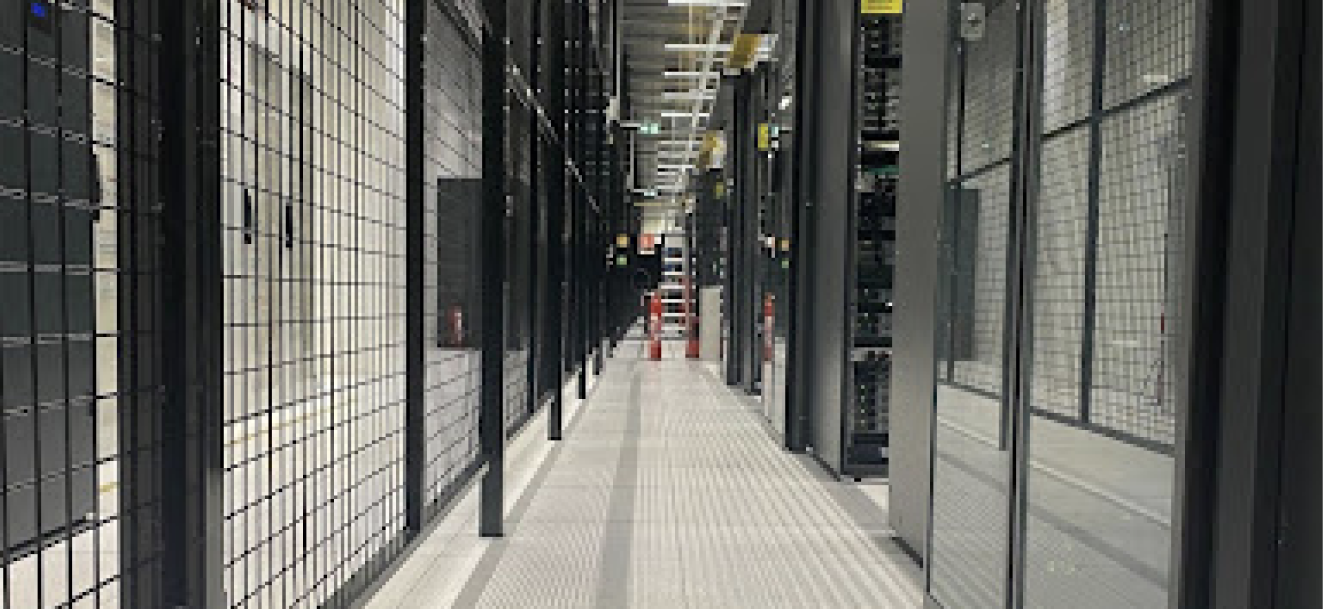
To start this project, which we internally call Atlas, we rented space in a data center south of Paris to host our brand-new servers.
Keep in mind that the blockchain, like all the services we use in our modern world, ultimately has a physical presence somewhere: behind it, there is always real infrastructure, with kilometers of cables.
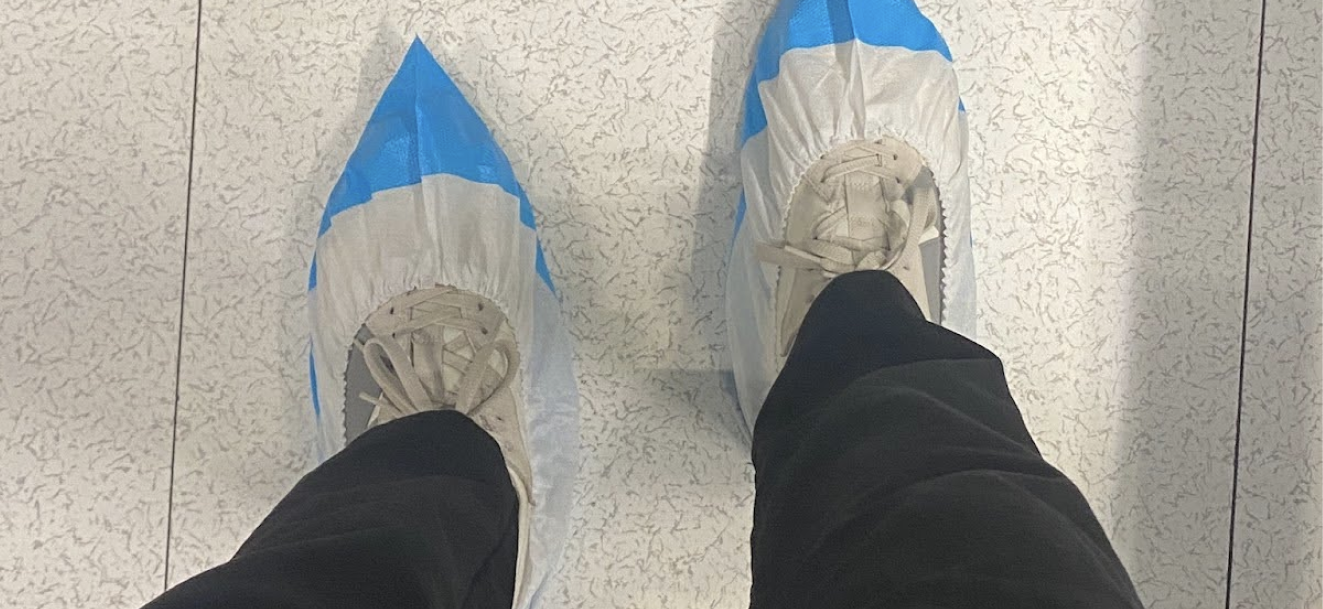
Imagine a place as secure as a bank, where, to enter, you have to pass multiple security checks, pass through several airlocks, leave your smartphone outside, and put on protective overshoes before finally entering a server room.
To store over a million ledgers and maintain in sync with the rest of the network, we need a lot of disk space: over 30 TB, a volume that will only continue to grow over time. On top of that, read and write speeds need to be very high; so we had to buy a large number of SSDs.
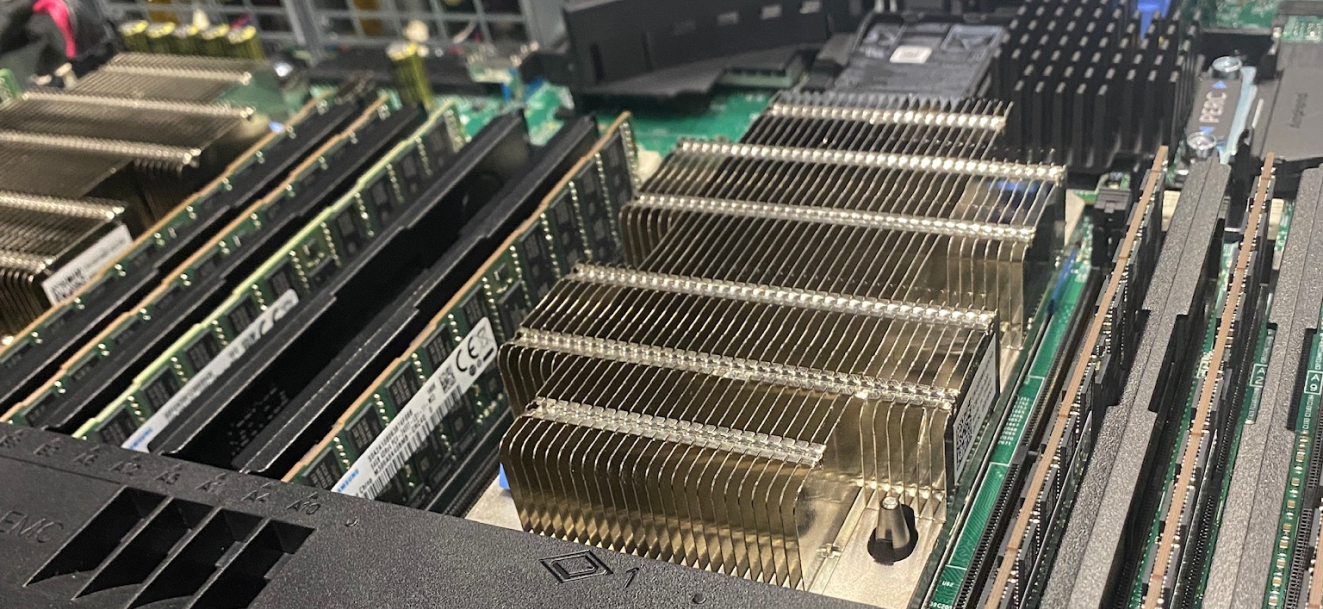
And then, to run all of this, you obviously need one, or even two, strong processors, as well as lots and lots of RAM…
Naturally, all of this is electrically redundant, but that wasn’t enough for us,which is why we do not have just one full history node, but three!
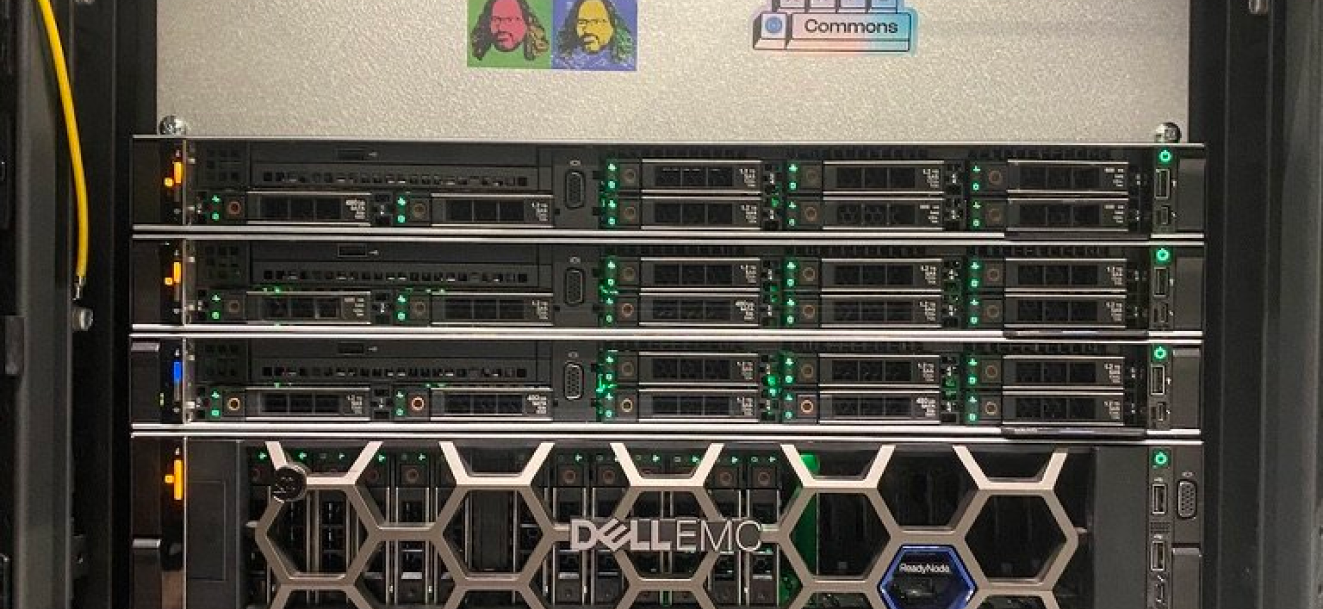
In addition, we set up several work and backup servers to support research teams and builders who need to make numerous requests to a full history node. That is why all our servers are directly interconnected on a dedicated local network.
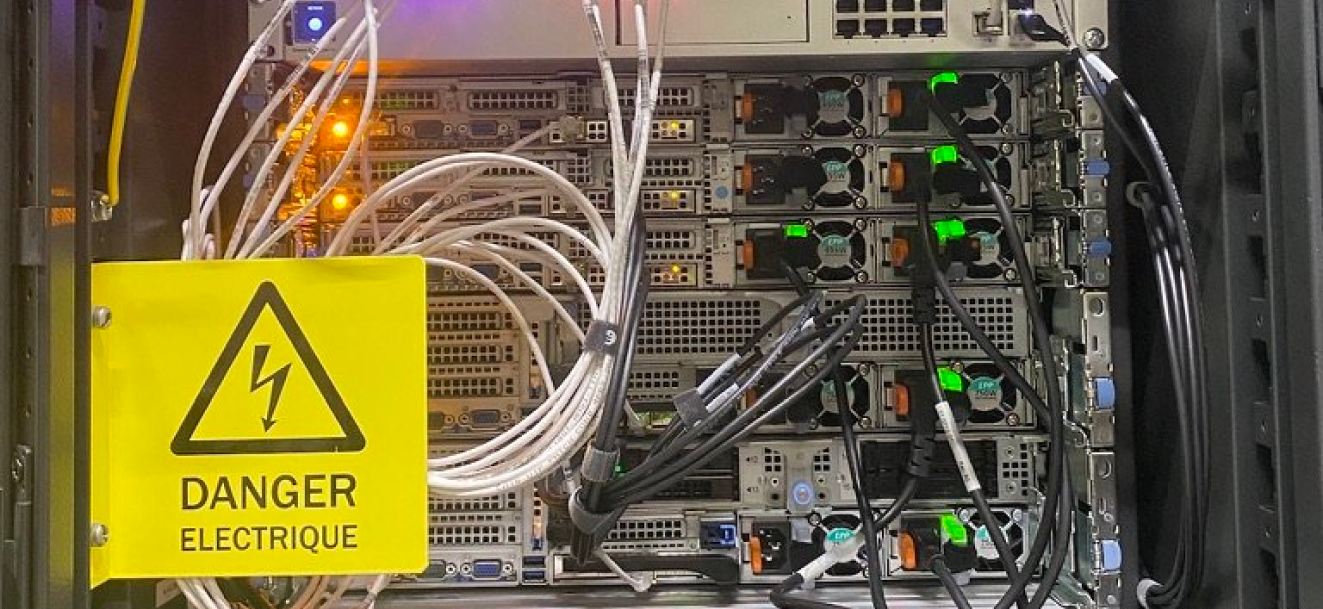
With this setup, Atlas gives researchers and builders reliable access to the full history of the XRP Ledger, without having to run their own heavy infrastructure.
Finally, we would be delighted to support research teams or builders who need to make numerous requests on a full history node, so feel free to contact us!
GO FURTHER, LEARN MORE:
XRPLainer - Wietse Wind Explains About the XRPL Full History Nodes
https://www.youtube.com/watch?v=PxStbjrsNjQ



.jpg)